LAUTECH: UI don advocates multidisciplinary, transdisciplinary approaches in African Studies Institutes
 pannigeriannews
3 min read
pannigeriannews
3 min read

By Sunday Adepoju
A renowned multidisciplinary scholar and former Director of the Institute of African Studies, University of Ibadan, Prof. Dele Layiwola, has called for a stronger embrace of multidisciplinary and transdisciplinary approaches in the development of African Studies in Nigeria.
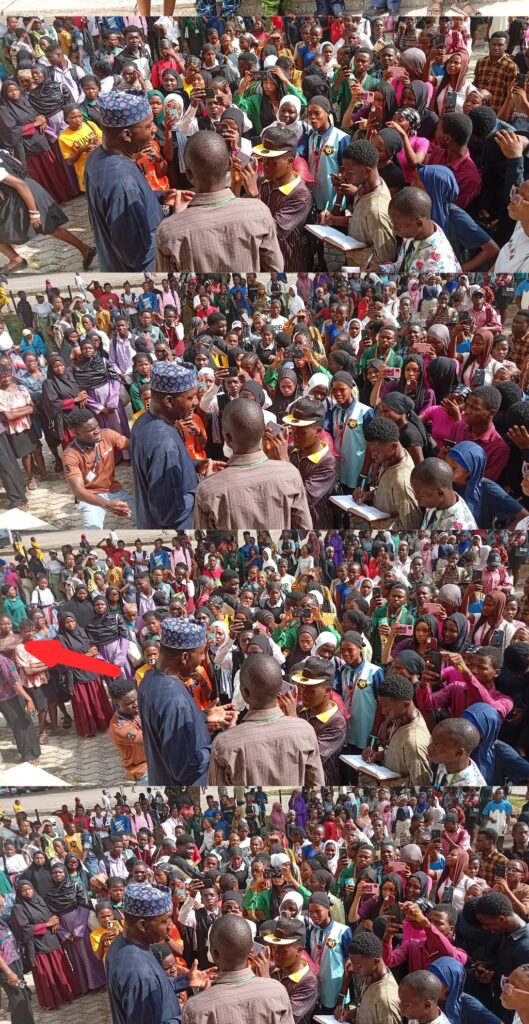
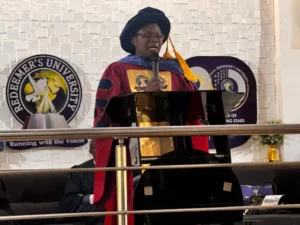
Prof. Layiwola made the call on Wednesday while delivering the maiden public lecture of the Institute of African Studies, Ladoke Akintola University of Technology (LAUTECH), Ogbomoso.
Speaking during the lecture, held at The Great Hall of LAUTECH themed “African Studies in the 21st Century: Golden Past, Confused Present and Uncertain Future.” Layiwola traced the evolution of African Studies from its foundational years to its contemporary struggles, stressing that the disconnection between disciplines, and between academia and society, has significantly weakened the field.
He emphasised that African Studies could not survive or remain relevant without harnessing insights from the humanities, social sciences, sciences, technology, and indigenous knowledge systems.
According to him, the challenges confronting African scholarship are inseparable from the broader national crisis in education financing.
He said, “The truth is that there is a lot of deficit in the funding of universities and institutions,
“Our political elite do not know the importance of education and research, which is what has given power to the United States, China, and Southeast Asian countries. If we are able to get our elites together to think about the global implications of research funding, they will liberate the potentials and gifts in our youths, teachers, and researchers.”
Prof. Layiwola noted that modern realities demand that African Studies break traditional academic boundaries in order to respond effectively to dynamic cultural, political, economic, and technological issues affecting the continent.
He urged governments to take responsibility for rebuilding the nation’s knowledge infrastructure, lamenting the decline of institutions that once attracted global attention.
“If we had fantastic first-class teaching hospitals, as we used to have, Saudi Arabian princes and queens would still be coming here,” he said. “UCH used to be the fourth most important hospital in the British Commonwealth. Look at what it has become.”
He added that Nigeria must set higher standards for leadership and development.
“There’s no reason why we should not perform. There’s no reason why we should not make it. This is a country that deserves all that the intellectual capacity of its citizens can garner.”
While commending LAUTECH for establishing the institute, Prof. Layiwola also emphasised the need for strong documentation and knowledge preservation culture.
“I expect LAUTECH to establish a museum, keep an archive of sound, vision, ideas and even a media archive. These will serve as a stepping stone to improve its knowledge base and ensure that in ten years, the institute is impacting the world and creating knowledge for the rest of us.”
He also expanded on the necessity of multidisciplinary and transdisciplinary approaches, noting that LAUTECH is now structurally positioned for such integration. “This is no longer a technology-limited college. It has become a conventional university. Technology should serve as an aide so that the rest of the campus will feel the impact of technology, the humanities, medical sciences, physical sciences, and social sciences. All these knowledge bases relate; they are mutually self-sustaining.”
Prof. Layiwola commended LAUTECH for establishing the Institute and organising the inaugural lecture, describing it as a bold step toward revitalising African scholarship.
He, however, challenged African institutions to “build bridges, not walls,” as they prepare the next generation of scholars to navigate the uncertain future of African Studies.


About The Author