 pannigeriannews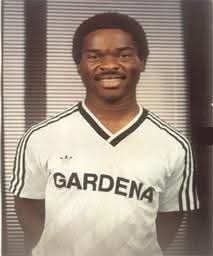
Samuel Okwaraji (19 May 1964 – 12 August 1989) was a Nigerian international footballer remembered both for his brilliance on the pitch and his tragic death during a World Cup qualifying match.
He is widely regarded as one of Nigeria’s most dedicated national team players, combining elite football with advanced academic achievement.
Early Life and Education: Born in Orlu, Samuel Okwaraji pursued education with unusual intensity for a professional athlete.
He studied law and later obtained a Master’s degree in International Law from the University of Rome, reflecting his strong academic background alongside his sporting career.
Football Career in Europe: Okwaraji played professional football in Europe while continuing his studies. His clubs included: Dinamo Zagreb, VfB Stuttgart and SSV Ulm 1846.
He made limited league appearances but was known for his technical skill and versatility. While at Dinamo Zagreb, he also participated in friendly matches where he showcased his scoring ability.
Rise with Nigeria (Green Eagles Era)
Okwaraji represented Nigeria during the period when the national team was still called the Green Eagles (later renamed the Super Eagles).
A major highlight of his international career was the 1988 African Cup of Nations, where he:
Scored one of the fastest goals in tournament history against Cameroon
Played a key role in Nigeria’s run to the final
Helped Nigeria finish as runners-up to Cameroon
His performances made him one of the standout players of the tournament.
Tragic Death on the Pitch
On 12 August 1989, during a 1990 FIFA World Cup qualification match at the National Stadium Surulere, tragedy struck.
He collapsed in the 77th minute of play
He was later pronounced dead from congestive heart failure
Medical reports indicated an enlarged heart and high blood pressure
He was just 25 years old.
Legacy
Samuel Okwaraji is remembered for: Sacrificing his life while playing for Nigeria; balancing elite sport with academic excellence; his discipline, patriotism, and commitment to national duty; his death is often compared to other tragic on-field collapses in football history, including that of Marc-Vivien Foé years later.
Sources: FIFA historical match records; CAF (African Cup of Nations) archives; Nigerian Football Federation reports; Contemporary sports journalism archives (1989 coverage).
COPIED


About The Author