 pannigeriannews
By Adewuyi Adegbite
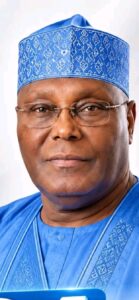
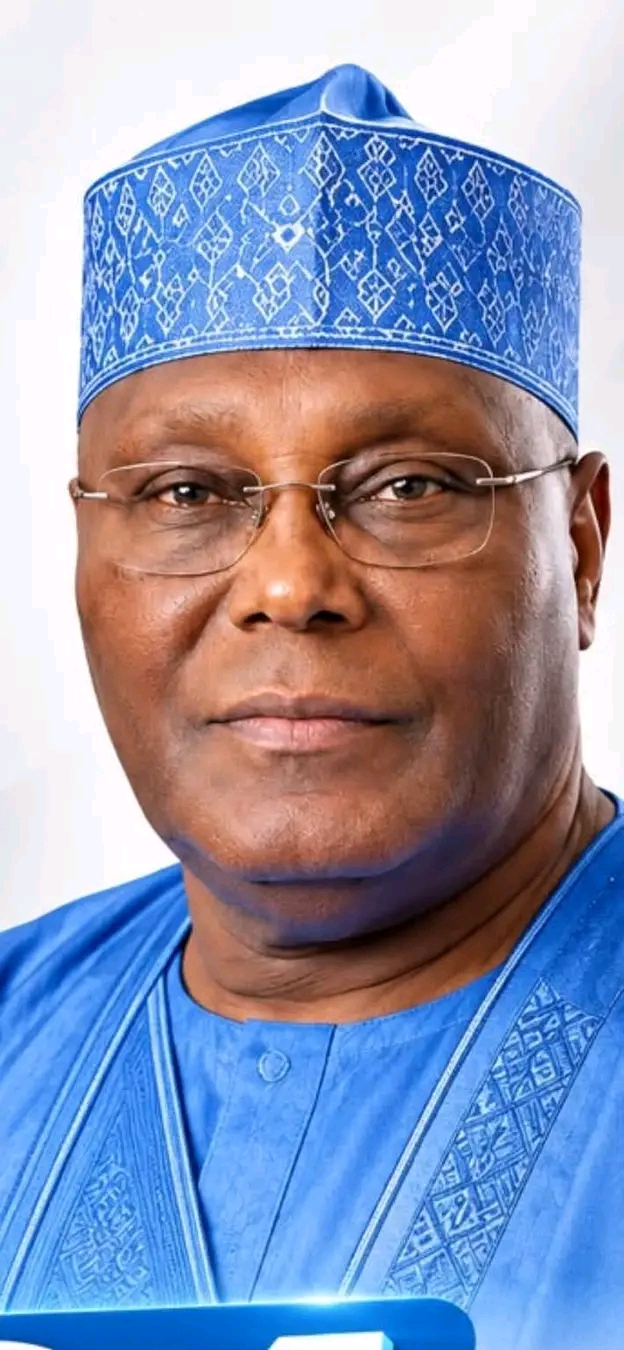
I join humanity to celebrate the presidential candidate of the African Democratic Congress (ADC), Atiku Abubakar, on attaining the age of 80.
Atiku Abubakar is a household name in Nigeria, having been involved in the nation’s politics for more than three decades. Beyond his political engagements, he was a customs officer who, through his cordial disposition towards importers from different backgrounds, built a network of friends and admirers across the country. This network has remained one of his greatest assets, providing him with support throughout his sojourn in the murky waters of Nigerian politics.
He is widely regarded as a bridge-builder because of his extensive network of friends and associates from different sections of the country. He has also built relationships across ethnic divides through his marriages, having married women from three of Nigeria’s largest ethnic groups.
After a chequered career as a customs officer, Atiku ventured into politics and received political tutelage from one of the finest personalities ever to grace Nigeria’s political landscape, General Shehu Musa Yar’Adua. His former boss was an aristocrat from the Katsina Emirate in northern Nigeria. His association with Yar’Adua exposed him to the movers and shakers of Nigerian politics. As a matter of fact, following Yar’Adua’s demise, Atiku inherited a formidable network of his political associates and supporters.
This network proved invaluable when Nigeria returned to democratic rule in 1999. Atiku was among the prominent political figures who came together under the aegis of the G-34 to form the People’s Democratic Party (PDP), which eventually produced the post-military government that governed the country for 16 years.
Atiku had won the Adamawa State governorship election before he was selected as the PDP’s vice-presidential candidate in 1999. However, his tenure as Vice President was characterised by turbulent relations with his principal, Chief Olusegun Obasanjo. Their once cordial relationship deteriorated into a bitter political rivalry, with allegations of overambition and abuse of power among the issues his boss cited as reasons for their disagreement.
For his doggedness and determination to seek redress whenever he believed his rights had been violated, Atiku repeatedly resorted to the courts to challenge actions taken against him. His legal battles and political resilience arguably saved him from political oblivion. He remains one of the most persecuted, investigated and vilified politicians in Nigeria’s recent history.
His reputation was dented by several allegations and comments made by Obasanjo in his publications and public addresses. Atiku also became a target of political attacks because he stood in the way of his former boss’s alleged third-term ambition, which would have extended Obasanjo’s stay in office beyond the constitutionally prescribed two terms.
Obasanjo’s prolonged political battle with Atiku has remained a major obstacle to the latter’s ambition of occupying the highest political office in the land. He was portrayed as a corrupt politician who was unfit to become president. Unfortunately, many Nigerians have embraced this narrative and based their opposition to his presidential ambition on his alleged actions and inactions while in office, particularly his role in the privatisation policy of the Obasanjo administration, which he supervised as Chairman of the National Economic Council.
There is no doubt that Atiku Abubakar is an ambitious man, but ambition, in itself, is not a sin. That he is a serial presidential candidate is equally a fact. However, his tenacity of purpose is one of the qualities that distinguish him from many of his contemporaries.
He is a dogged fighter who has consistently pursued his political convictions and challenged actions he considered unjust. But for his resistance, Nigeria’s democracy might have suffered a major setback had his former boss succeeded in his third-term ambition.
Of course, Atiku has his shortcomings, as every human being does. Neither his contemporaries nor his most vociferous critics can claim to be saints. Nevertheless, I believe he loves Nigeria and that his ambition to govern the country is driven by a desire to contribute to its development rather than merely enjoy the privileges and benefits of public office.
I hope, believe and wish Atiku Abubakar well in the next presidential election, despite what appears to be concerted efforts by the powers that be and their agents to exclude him from the race. His political doggedness and the clamour among Nigerians for a change of direction have, however, kept his ambition alive.
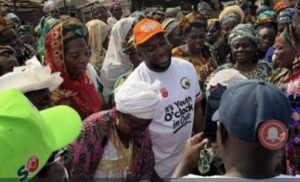
His promises to reverse the removal of fuel subsidy, which many Nigerians believe has contributed to their economic hardship; reopen the nation’s land borders to legitimate cross-border businesses; and establish ports in the Niger Delta have endeared him to many Nigerians. This, perhaps, explains the massive reception he has received from supporters and residents during his political engagements and campaigns across the country.
As the Waziri of the Universe and a celebrated bridge-builder marks his 80th birthday, I wish him many more years of good health, wisdom and fulfilment. I also wish him success in his quest for the presidency in 2027.
Happy 80th birthday, Waziri!


About The Author