 pannigeriannews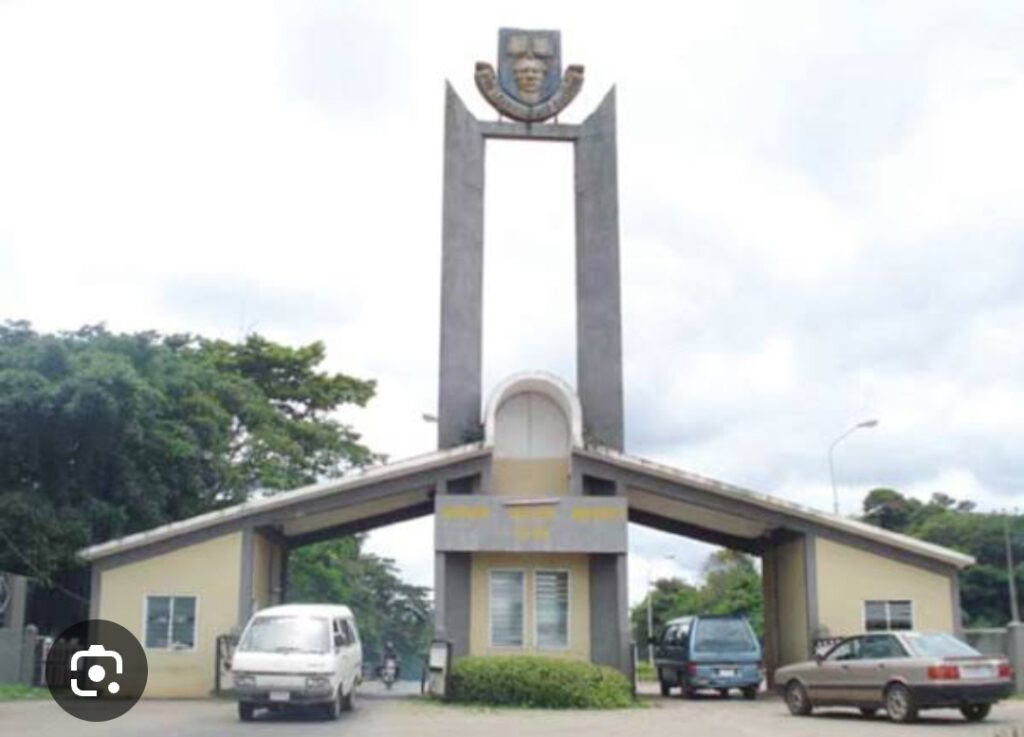
By Isaiah Adewole
Students of Obafemi Awolowo University (OAU), Ile-Ife, Osun State have commenced a 72-hour boycott of lectures in protest against ongoing transportation difficulties on campus.
The action, scheduled to run from April 14 to April 16, 2026, was announced by the Students’ Union Government (SUG) following a congress and subsequent consultations among its leadership. They added that the decision comes after weeks of complaints by students over what they described as an inefficient and poorly executed campus transport system.
According to the union, the current arrangement—linked to newly introduced vehicles—has resulted in overcrowding, long waiting times, and limited route coverage across the campus. Students noted that the situation has disrupted academic activities and made daily movement difficult, particularly for those residing off-campus.
In a joint statement signed by union leaders, the students directed that all academic activities be suspended during the protest period, warning that further action may be taken if their demands are not addressed.
“The leadership shall review the situation at the end of the 72-hour boycott. Further actions such as a possible mass protest/march shall be considered if the management fails to address the demands satisfactorily within this period,” it said.
The development follows the donation of 80 compressed natural gas buses and tricycles to the university by the First Lady of Nigeria, Oluremi Tinubu, aimed at improving campus transportation and easing mobility challenges for students and staff.
The university management subsequently restricted intra-campus movement to the donated vehicles, a move initially welcomed as a modernisation effort but which students say has created unintended operational challenges.
In an earlier statement, the Students’ Union acknowledged the intervention but noted that implementation gaps had led to long queues, delays, and insufficient fleet availability particularlyly during peak hours.
Among their demands are the immediate provision of additional vehicles, a temporary return to the previous transport system, and broader consultation with student representatives before implementing new policies.
University authorities have reportedly described the current situation as a transitional phase and assured students that improvements, including the addition of more vehicles, are underway.
The Students’ Union, however, maintains that unless urgent steps are taken within the boycott period, it may escalate the protest into a broader demonstration.


About The Author